
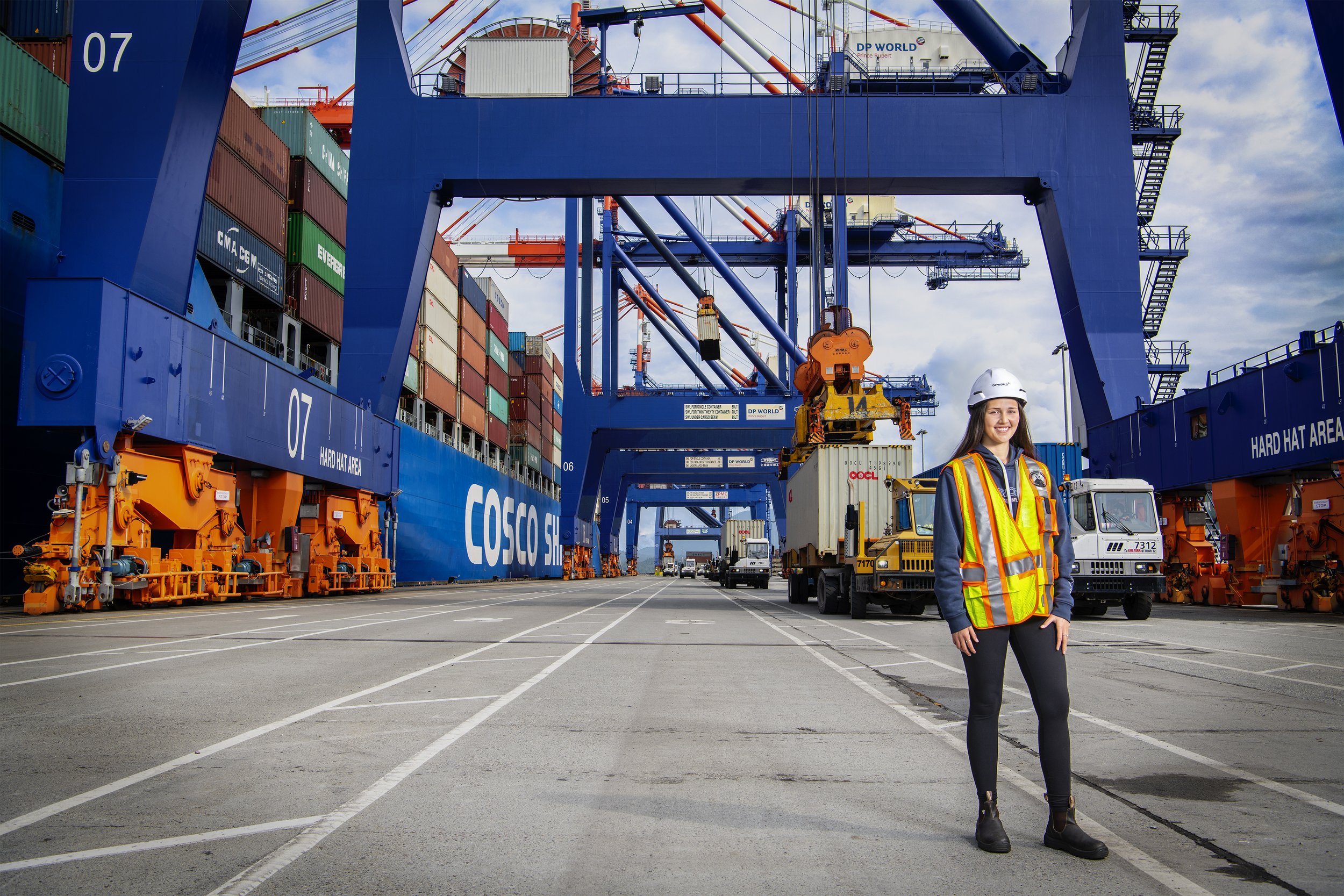
It’s Time to Put Canada First.
Secure Our Economic Future Today.
Diversify Trade. Protect Jobs. Build Long-Term Prosperity.
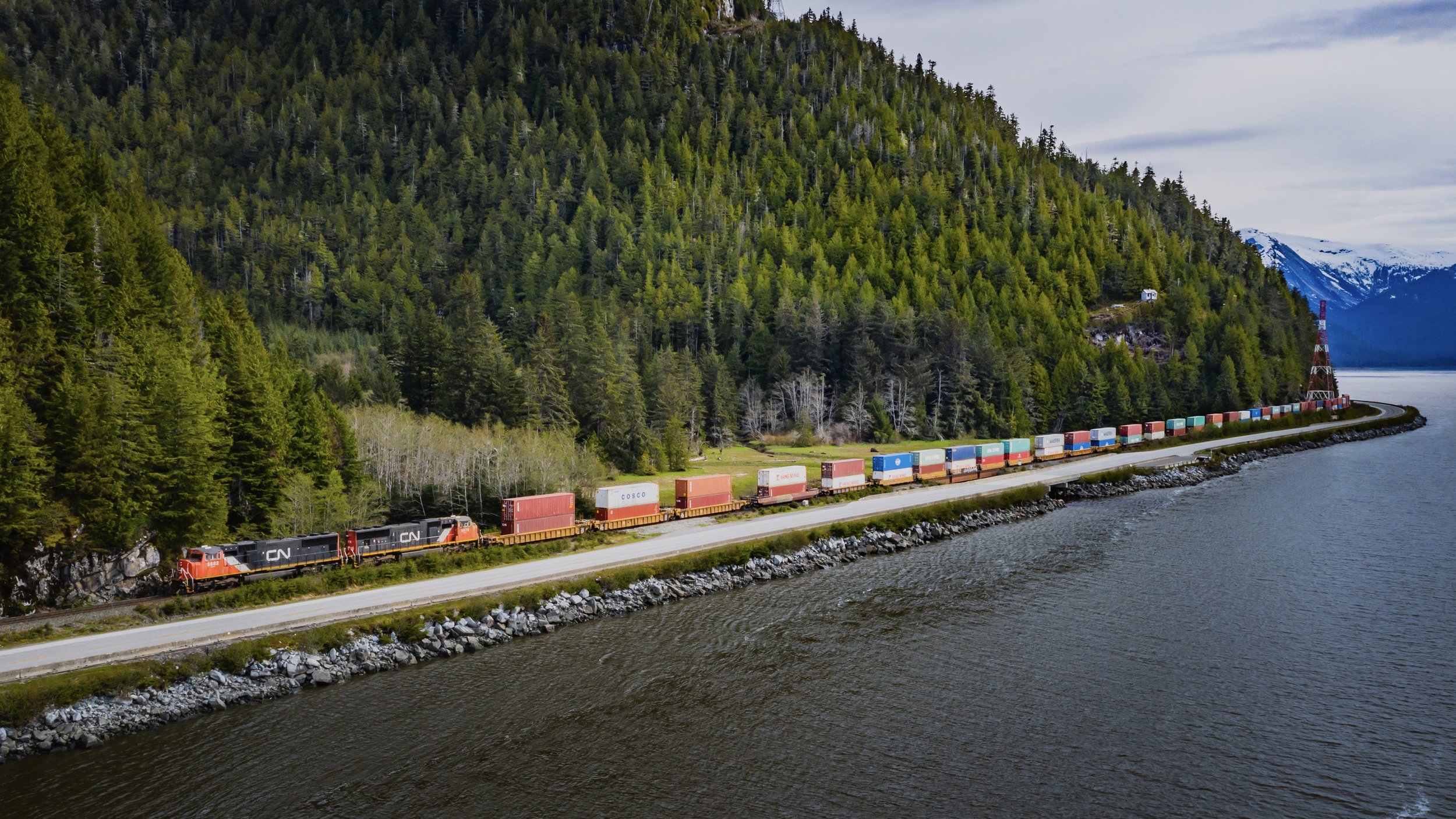
Let’s stand up for Canadian jobs, industry, and a future built on economic strength.
We are living in a more volatile global landscape. Trade relationships are shifting, supply chains are under pressure, and countries around the world are moving quickly to secure long-term economic advantages.
For Canada, that creates real risks, but also a clear opportunity. To protect Canadian businesses, support workers, and strengthen our economic resilience, we must diversify trade.
That opportunity is not theoretical. In 2025, activity through the Port of Prince Rupert helped move $8.1 billion in Canadian exports, supported 7,940 full-time jobs across British Columbia, and contributed $1.5 billion to Canada’s GDP
The time to act is now.
Why it Matters Now
Without Action, Canada Risks Falling Behind:
Canadian exporters face rising costs and limited access to new markets.
Strategic trade infrastructure remains under pressure, even as demand grows.
Competing jurisdictions are investing aggressively to secure long-term trade advantages.
Canada risks missing the opportunity to build on proven momentum at one of its most strategic gateways
In 2025, the Prince Rupert Gateway recorded strong growth across key sectors, including:
20% growth in container volumes at Fairview Terminal
18% growth in coal exports
8% growth in bulk grain exports
5% growth in LPG exports
These numbers point to a larger truth: Canada has the assets to compete globally, but only if we choose to invest in them.

Strategic Gateway to the World
One powerful solution is already in front of us:
Canada’s northernmost West Coast port.
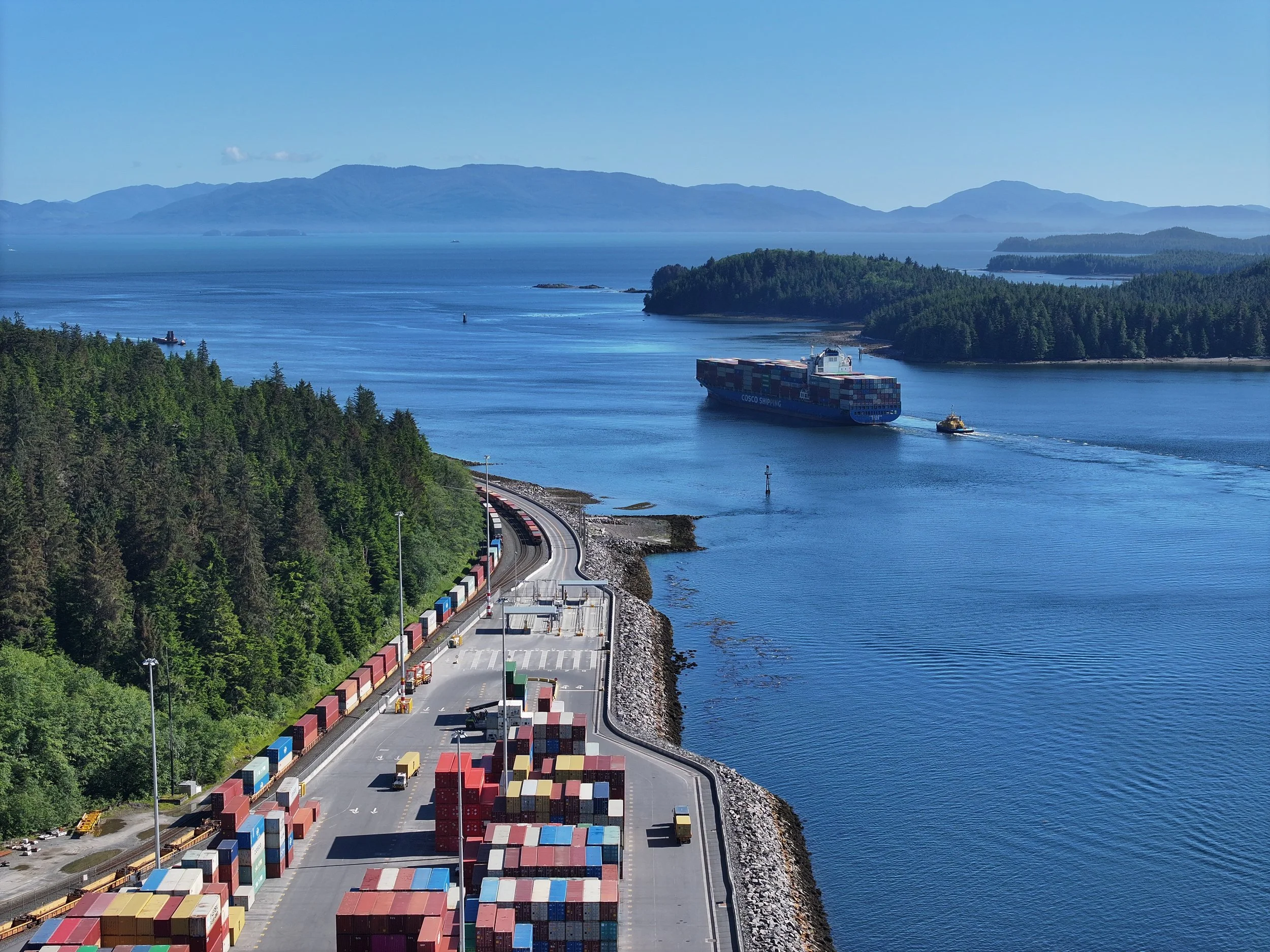
The Port of Prince Rupert is 1–2 days closer to Asia than any other West Coast port. With deep-water access, direct links to trans-Pacific shipping lanes, and CN rail connectivity into North America’s resource economies and consumer markets, it is uniquely positioned to help Canada expand trade and reduce over-reliance on any single market.
This gateway already supports jobs and growth across natural resources, agriculture, manufacturing, energy, and logistics. And it is built for more.
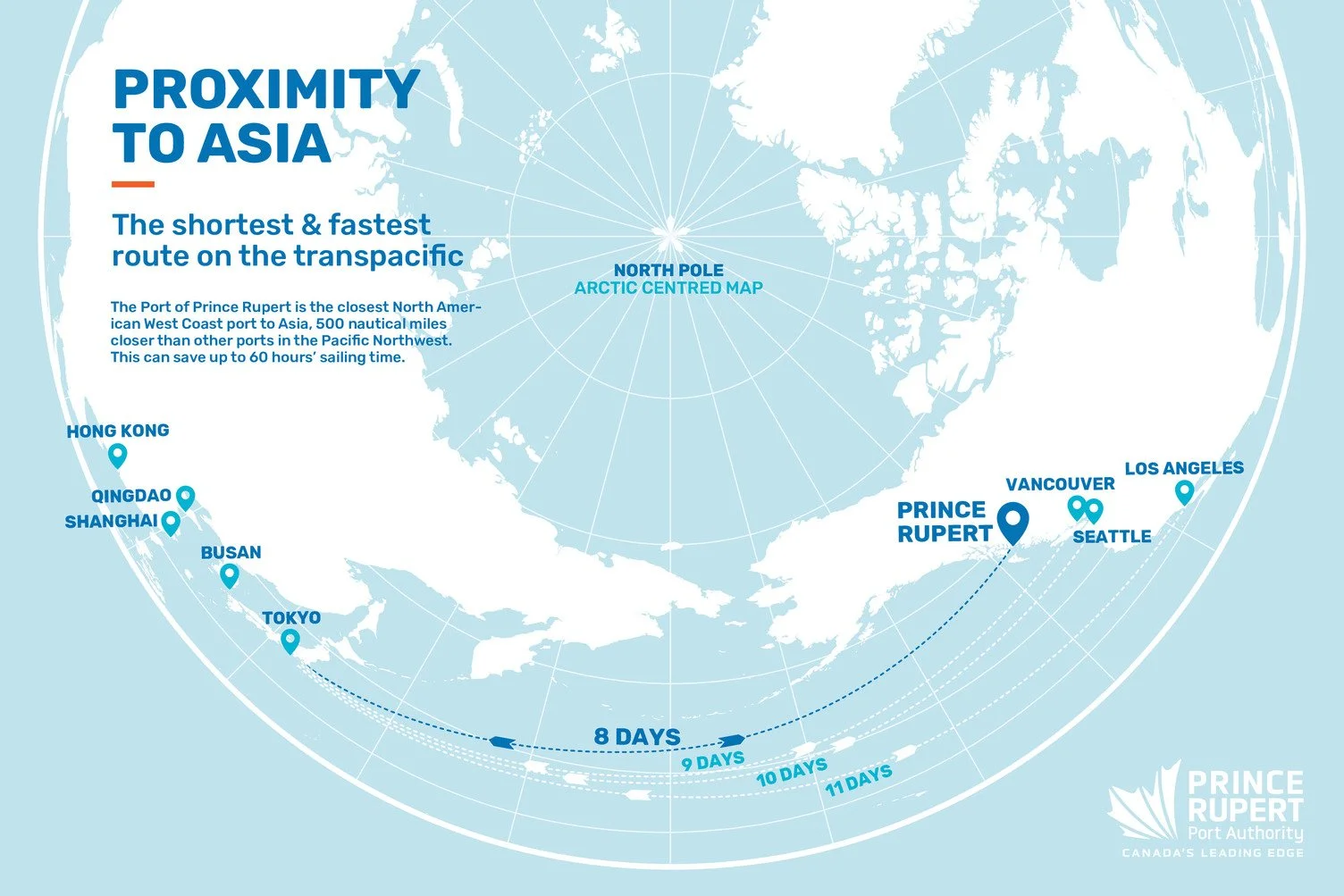
More than $3 billion in expansion is now underway at the Port of Prince Rupert, with the goal of growing trade volumes to more than 50 million tonnes over the next decade.
CANXPORT Project Development (2024-2026)
Key projects advancing that future include:
CANXPORT, a $750 million transloading facility on Ridley Island
South Kaien Logistics Park, supported through partnership with Metlakatla Development Corporation
The Ridley Island Energy Export Facility, which will expand LPG export capacity
Trigon’s second berth expansion, which will significantly increase terminal capacity
Rail and digital infrastructure upgrades designed to improve capacity, speed, and reliability
But that growth is not guaranteed. With renewed federal and provincial leadership and investment, Canada can build on this momentum at a time when it matters most.
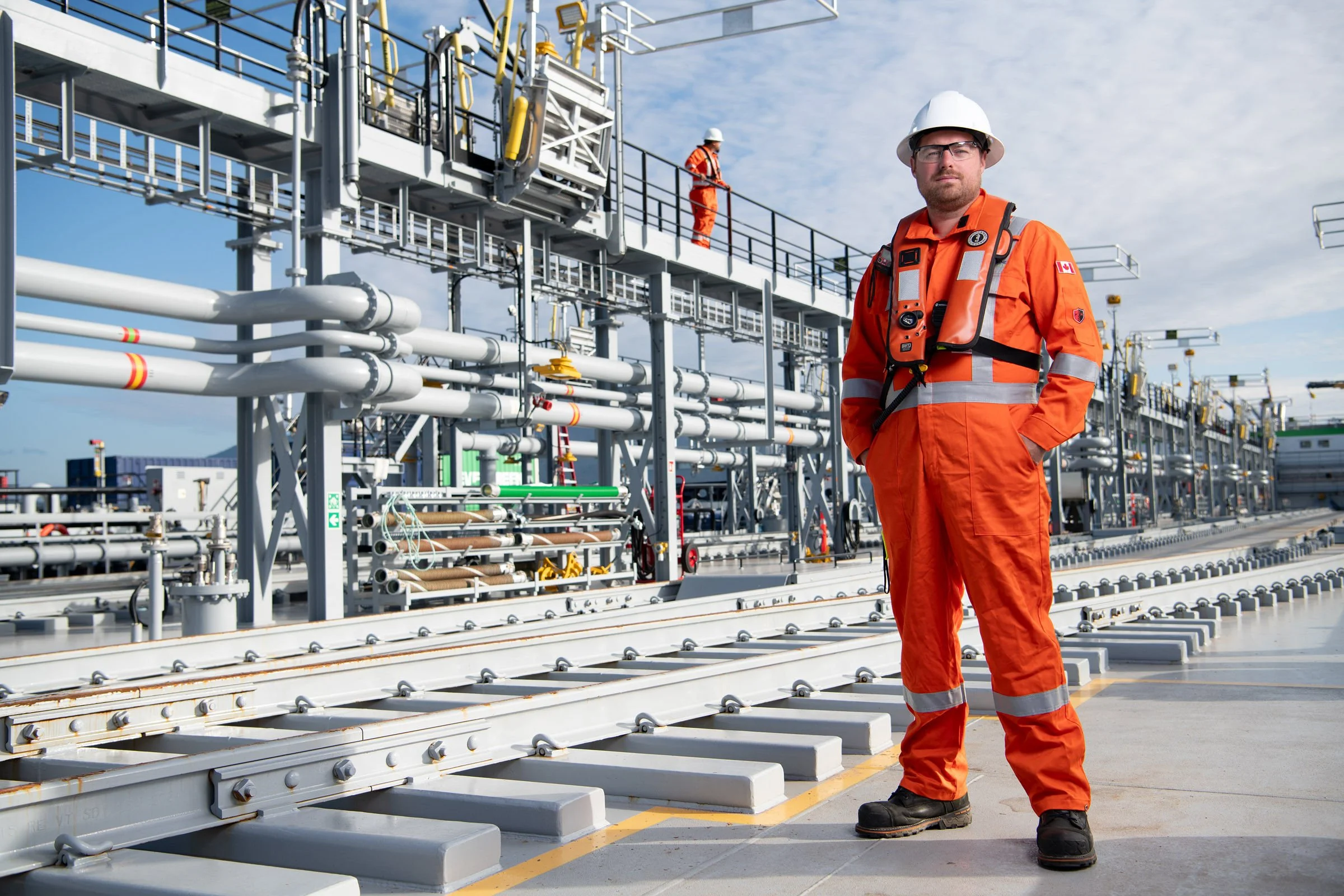
Trade That Supports Canadian Jobs
Trade diversification is not just about moving goods. It is about supporting Canadian workers, strengthening local businesses, and creating long-term economic opportunity.
In 2025, activity through the Prince Rupert Gateway supported 7,940 full-time jobs throughout British Columbia and generated $690 million in direct wages. The port also contributed $1.5 billion to Canada’s GDP, helping power industries that depend on reliable access to global markets.
From natural resources and agriculture to logistics, rail, marine services, and manufacturing, this gateway helps connect Canadian workers and businesses to the world.
And the opportunity is growing. Major projects now underway at and around the Port of Prince Rupert are designed to expand capacity, strengthen supply chains, and create new employment opportunities in the years ahead.
Canada Needs a Long-Term Trade Vision
We need more than stopgap solutions. We need a strategy that:
Builds resilient trade, rail, and logistics infrastructure
Opens secure access to fast-growing global markets
Supports Canadian workers, exporters, Indigenous partners, and local communities
Strengthens supply chains against future shocks
Grows responsibly, with safety, sustainability, and long-term competitiveness in mind